When to See a Doctor for an Ingrown Nail: Red Flags to Watch
- posted: Oct. 21, 2025
An ingrown toenail may seem like a small nuisance at first, but when left untreated, it can become a serious source of pain, infection, and discomfort. The skilled specialists at Ambulatory Foot Center in Cleveland, OH, understand that even minor foot problems can quickly escalate without proper care. Recognizing the warning signs of a worsening ingrown nail can make all the difference between a simple solution and a more serious complication.
The Subtle Start of an Ingrown Nail
Ingrown toenails occur when the edge of the nail curves downward and begins to press into the surrounding skin. While the big toe is most often affected, any nail can develop this painful condition. Tight shoes, improper nail trimming, and repeated pressure from physical activity are all common culprits.
At first, symptoms might seem manageable, mild tenderness, swelling, or redness around the nail bed. But as the nail continues to grow into the soft tissue, the discomfort can intensify. What begins as a small irritation can quickly lead to inflammation and infection if not addressed properly.
Warning Signs That Warrant Medical Attention
The biggest mistake many people make is waiting too long to seek professional help. When redness deepens, swelling worsens, or throbbing pain persists, it’s time to call a podiatrist. If the area begins to ooze fluid, develop pus, or feel unusually warm, infection has likely set in.
People with diabetes, poor circulation, or nerve damage should be especially cautious. Even a mild ingrown toenail can become dangerous for these patients, as the body’s ability to heal is often compromised. Ignoring the problem may lead to abscess formation or more extensive tissue damage.
At Ambulatory Foot Center, the medical team emphasizes early intervention to prevent complications. Prompt treatment can relieve pain, stop infection from spreading, and restore comfort quickly.
Professional Treatment for Pain and Prevention
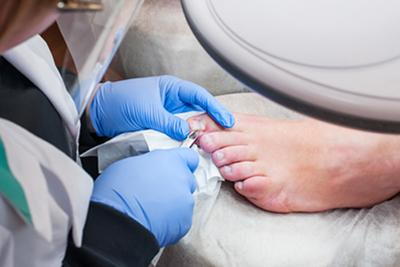
A podiatrist’s approach to treating an ingrown toenail is both gentle and precise. Depending on the severity, the doctor may lift the edge of the nail, trim the affected portion, or perform a minor procedure to remove the part growing into the skin. In some cases, a small section of the nail matrix (the tissue that produces the nail) may be treated to prevent recurrence.
Beyond immediate relief, professional care focuses on preventing future problems. Proper trimming techniques, shoe recommendations, and foot hygiene education all play a role in keeping nails healthy and pain-free.
Prioritize Foot Health with Prompt Professional Care
An ingrown toenail shouldn’t be ignored or endured. Early treatment ensures faster healing, prevents infection, and protects long-term foot health. The compassionate team at Ambulatory Foot Center in Cleveland, OH, is committed to keeping every step comfortable and confident. Call (216) 941-0233 today to schedule an appointment and get expert care before a simple irritation turns into a serious concern.
- posted: Oct. 21, 2025
An ingrown toenail may seem like a small nuisance at first, but when left untreated, it can become a serious source of pain, infection, and discomfort. The skilled specialists at Ambulatory Foot Center in Cleveland, OH, understand that even minor foot problems can quickly escalate without proper care. Recognizing the warning signs of a worsening ingrown nail can make all the difference between a simple solution and a more serious complication.
The Subtle Start of an Ingrown Nail
Ingrown toenails occur when the edge of the nail curves downward and begins to press into the surrounding skin. While the big toe is most often affected, any nail can develop this painful condition. Tight shoes, improper nail trimming, and repeated pressure from physical activity are all common culprits.
At first, symptoms might seem manageable, mild tenderness, swelling, or redness around the nail bed. But as the nail continues to grow into the soft tissue, the discomfort can intensify. What begins as a small irritation can quickly lead to inflammation and infection if not addressed properly.
Warning Signs That Warrant Medical Attention
The biggest mistake many people make is waiting too long to seek professional help. When redness deepens, swelling worsens, or throbbing pain persists, it’s time to call a podiatrist. If the area begins to ooze fluid, develop pus, or feel unusually warm, infection has likely set in.
People with diabetes, poor circulation, or nerve damage should be especially cautious. Even a mild ingrown toenail can become dangerous for these patients, as the body’s ability to heal is often compromised. Ignoring the problem may lead to abscess formation or more extensive tissue damage.
At Ambulatory Foot Center, the medical team emphasizes early intervention to prevent complications. Prompt treatment can relieve pain, stop infection from spreading, and restore comfort quickly.
Professional Treatment for Pain and Prevention
A podiatrist’s approach to treating an ingrown toenail is both gentle and precise. Depending on the severity, the doctor may lift the edge of the nail, trim the affected portion, or perform a minor procedure to remove the part growing into the skin. In some cases, a small section of the nail matrix (the tissue that produces the nail) may be treated to prevent recurrence.
Beyond immediate relief, professional care focuses on preventing future problems. Proper trimming techniques, shoe recommendations, and foot hygiene education all play a role in keeping nails healthy and pain-free.
Prioritize Foot Health with Prompt Professional Care
An ingrown toenail shouldn’t be ignored or endured. Early treatment ensures faster healing, prevents infection, and protects long-term foot health. The compassionate team at Ambulatory Foot Center in Cleveland, OH, is committed to keeping every step comfortable and confident. Call (216) 941-0233 today to schedule an appointment and get expert care before a simple irritation turns into a serious concern.
Ambulatory Foot Center
3386 Warren Rd.,
Cleveland, OH 44111
Monday
9:00 am - 5:00 pm
Tuesday
9:00 am - 4:00 pm
Wednesday
9:00 am - 6:00 pm
Thursday
9:00 am - 3:00 pm
Friday
8:00 am - 3:00 pm
Saturday
Closed
Sunday
Closed